
In the early and late nineties, black sitcoms such as Sister Sister, Moesha, A Different World, and Fresh Prince of Bel-Air dominated our television airways becoming the shows we all know and love today.

In an era, where television was lacking the presence of a strong black family structure. The show, ‘Fresh Prince of Bel-Air’ along with many other black sitcoms filled that void on television. Society sitcoms and televisions idolized the “American dream” that was being displayed on television, where a middle-aged man and woman preferably white, two kids, a dog, a nice family house, and a white picket fence. Where in the black community in television the family structure seemed broken or not represented in a positive aspect.
1990, sitcom Fresh Prince Of Bel-Air challenge the status quo of day time television at a time where black families didn’t have a strong presence The Fresh Prince Of Bel-Air elevated the presence of black families on the television screen.
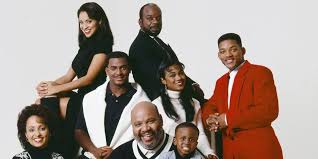
How the Sitcom Fresh Prince of Bel-Air made its impact on television and the black community is by having characters that are relatable to everyday people. In a case study according to Fatherhood.org. Black fathers are more likely to be absent in a household in an episode where Will Smith character Will have a strained relationship with his birth father making him lean on actor James Avery character Phillip Banks as a father figure, this resulted in many black and brown minorities viewers to find a way to look at the character Phillip Banks as a father figure that filled that void of a missing father figure in the household. The character Phillip Banks was a caring provider that’s filled the hearts of many views when they tuned into the show.
When television had little to no representation of positive black fatherly figures black sitcoms were able to have fatherly figures that millions of people who need that father figure to that felt like they had a father through the television screen.
 Sharif James